

Listening before we drill
Ahead of exploration drilling on the Deepwater Cape Three Points block, Planet One Oil & Gas took its plans to the people who share the water — and came back with a record of what they said.
13 Aug 2026
Date
SSNIT House
Venue · Takoradi
50
Stakeholders
7
Coastal communities
DWCTP
Block · Ghana
Offshore drilling does not happen in an empty sea. The waters off Ghana’s Western Region carry canoes, nets and livelihoods that predate every licence ever issued. So before mobilising the drilling vessel Noble Venturer for the Nya Gyidie (NG 1X) exploration well, Planet One ran a two-stage consultation programme built to surface concerns while they could still change how we operate.
Seven coastal communities
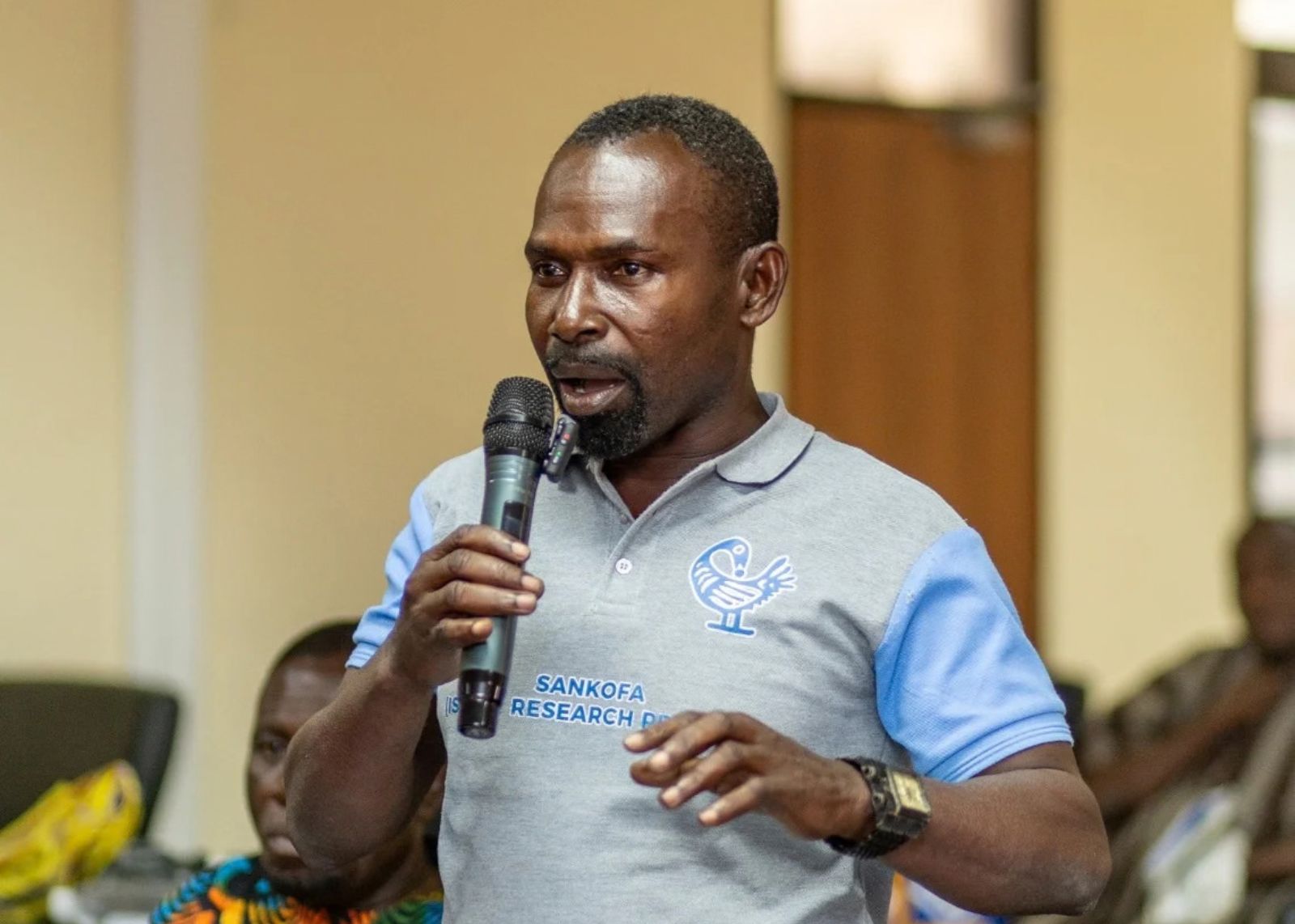
Our team sat down face to face with fishing stakeholders in Lower Dixcove, Upper Dixcove, Apewosika, Brewaire/Akinyim, Upper Axim, Lower Axim and Amanfokuma.
Chief Fishermen, canoe owners and fishmongers set the agenda: marine safety, vessel identification, how to reach us, and what happens to fishing during a drilling campaign.
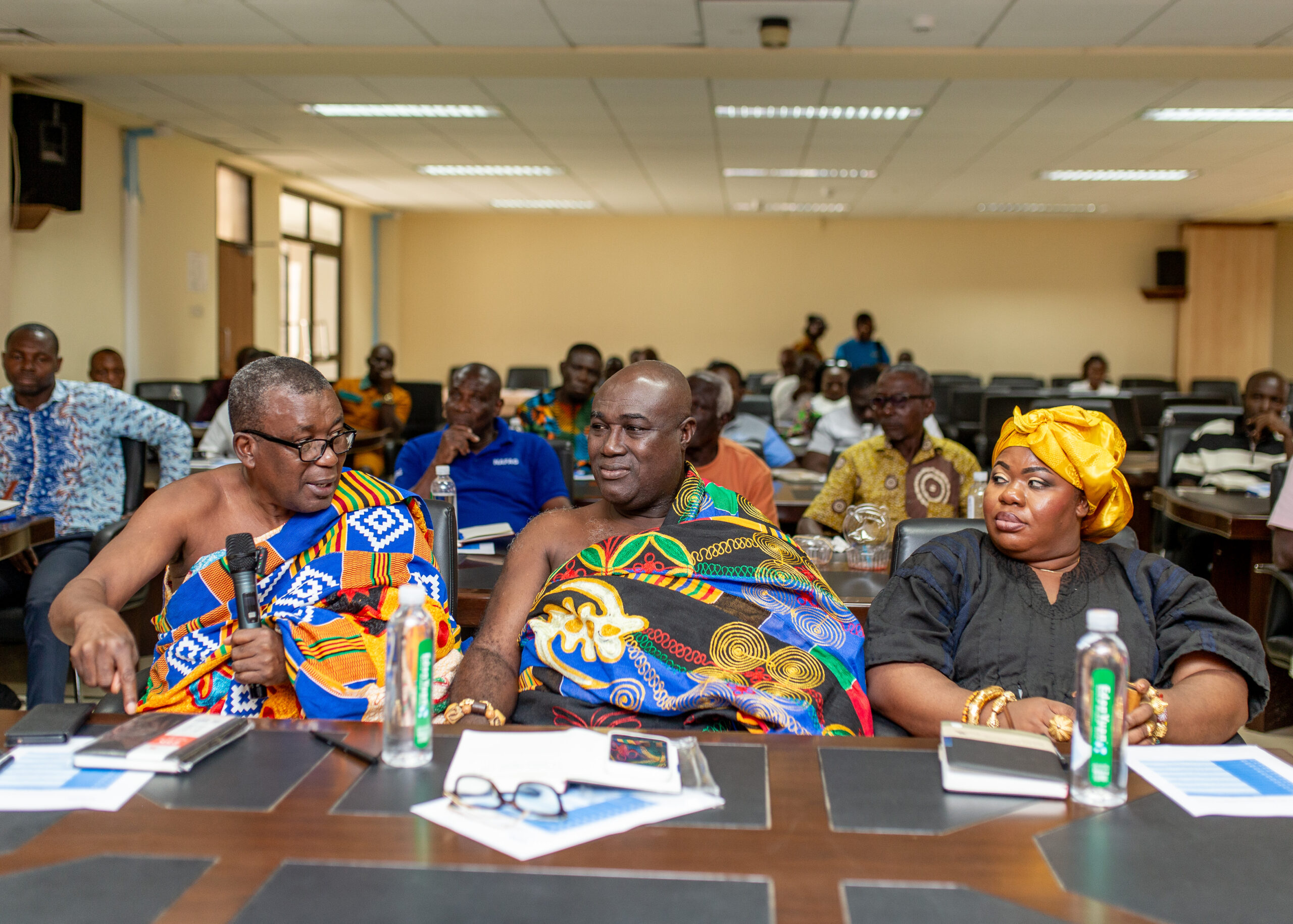
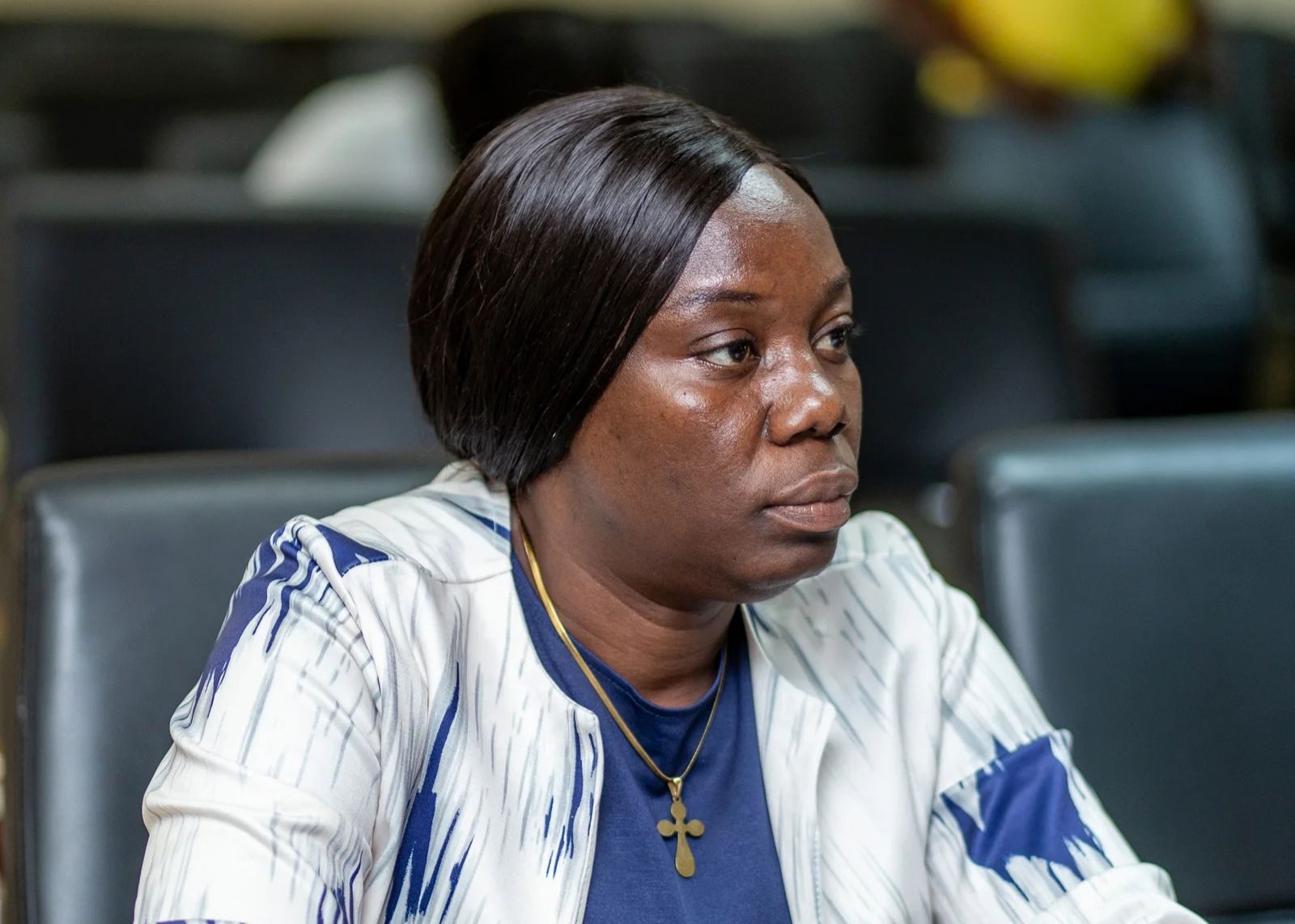
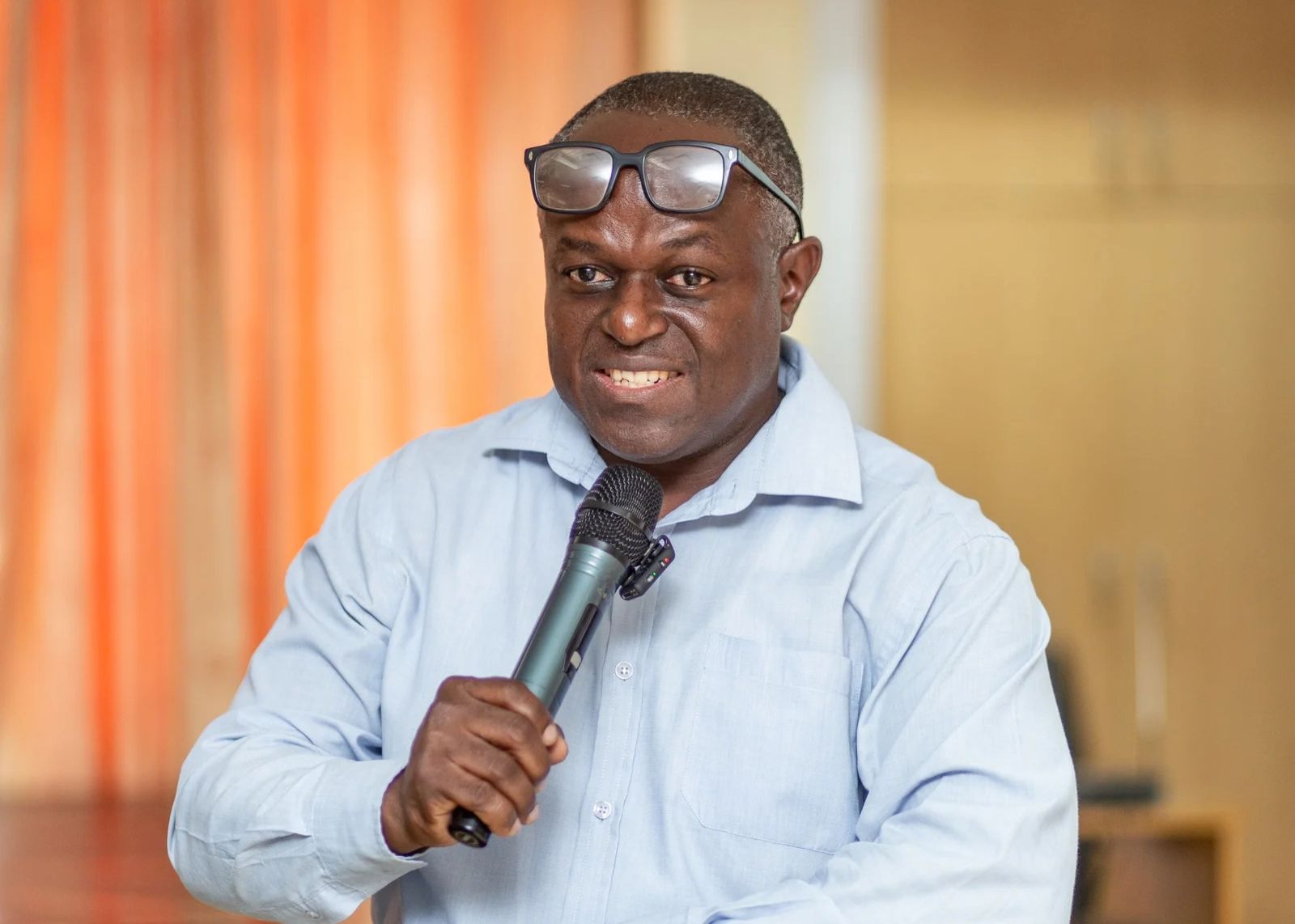
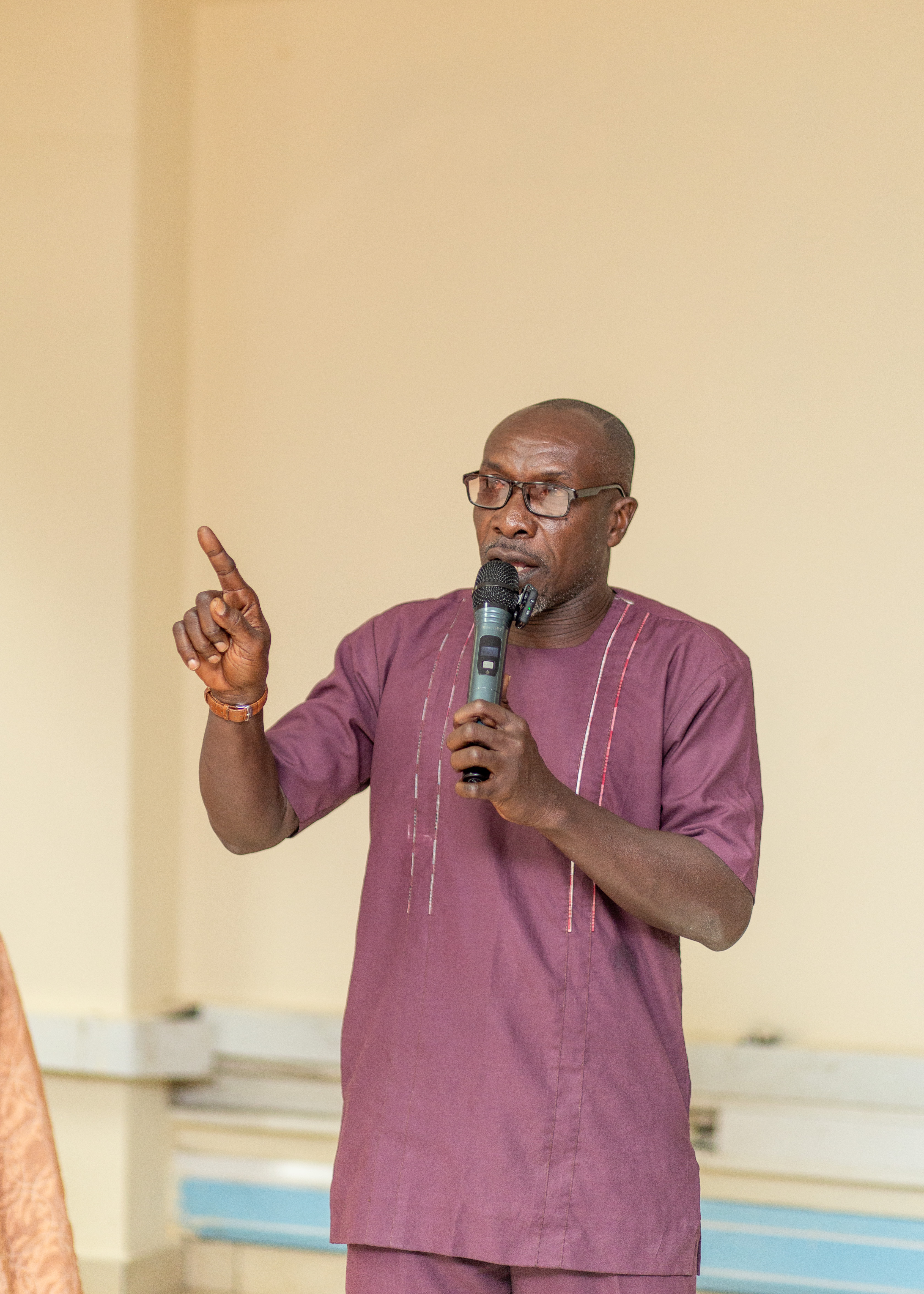
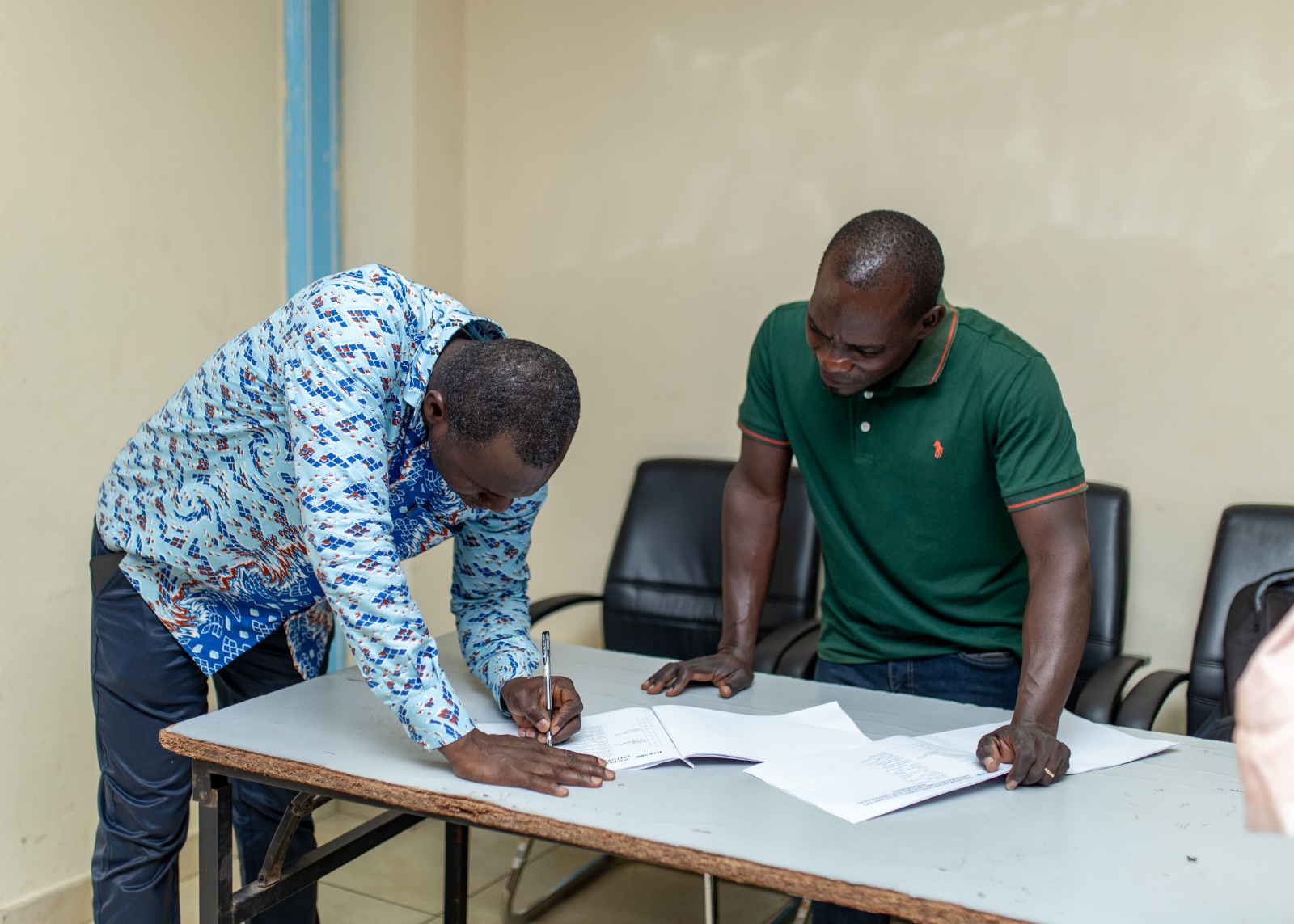
The Takoradi Forum
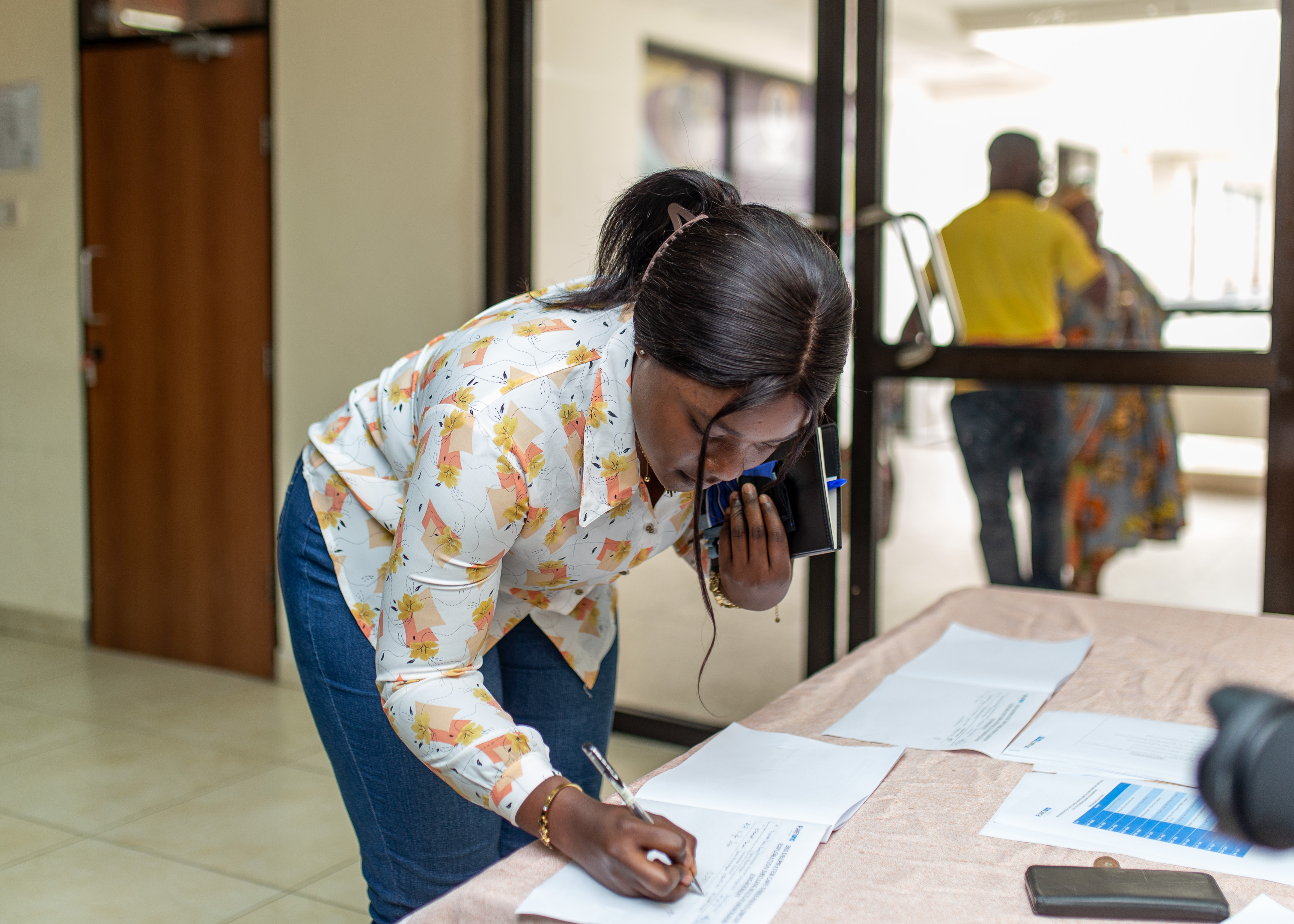
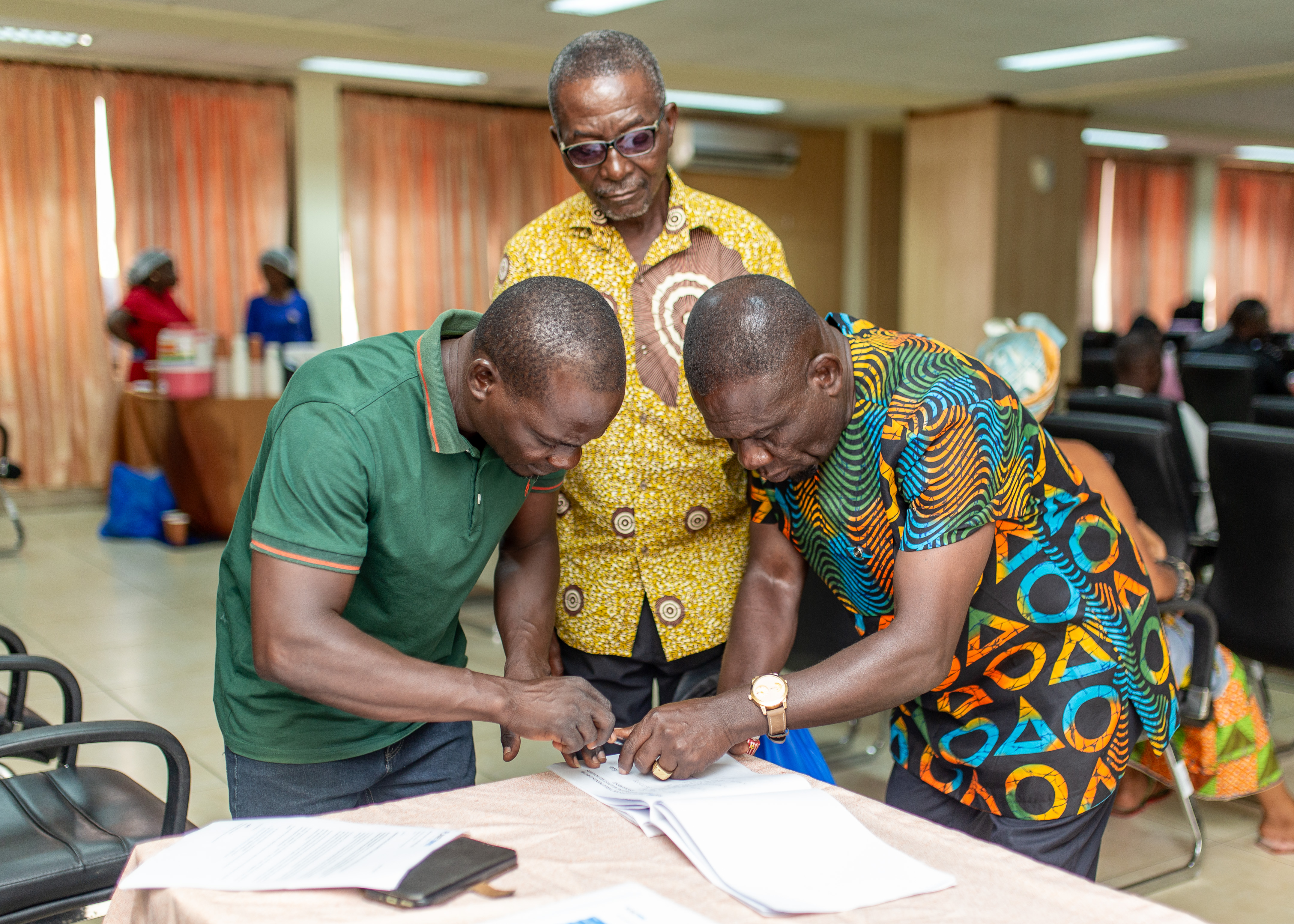
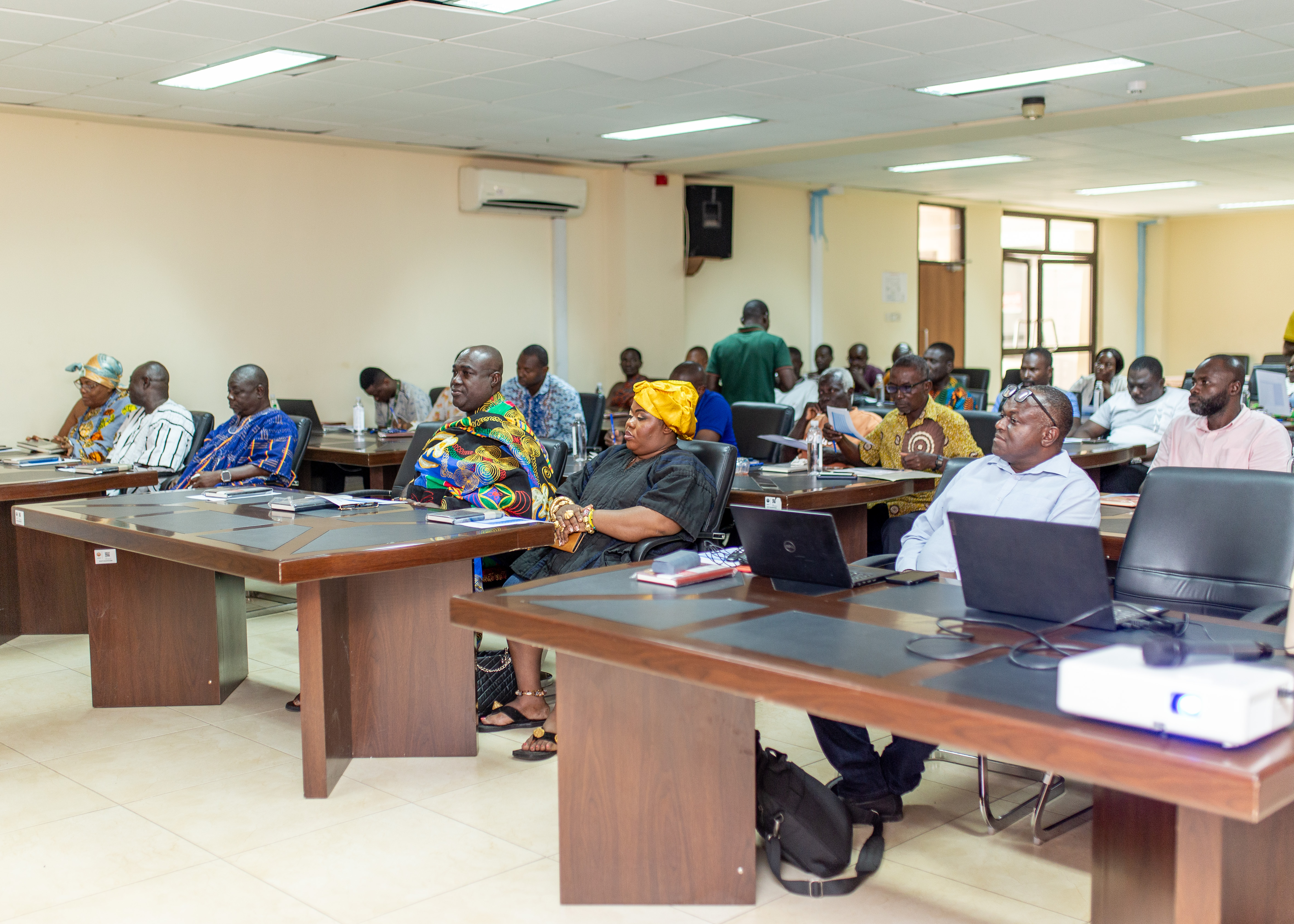
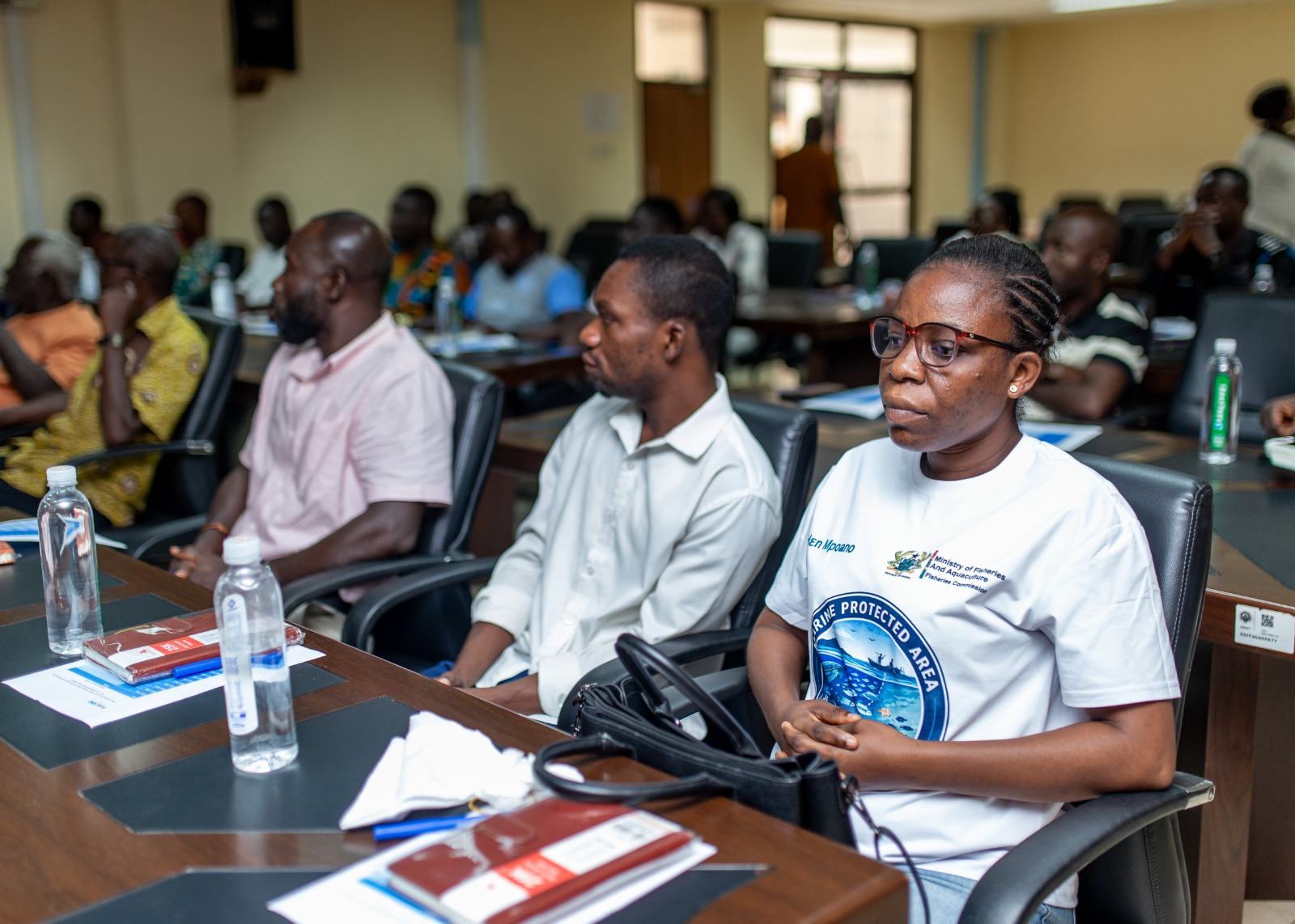
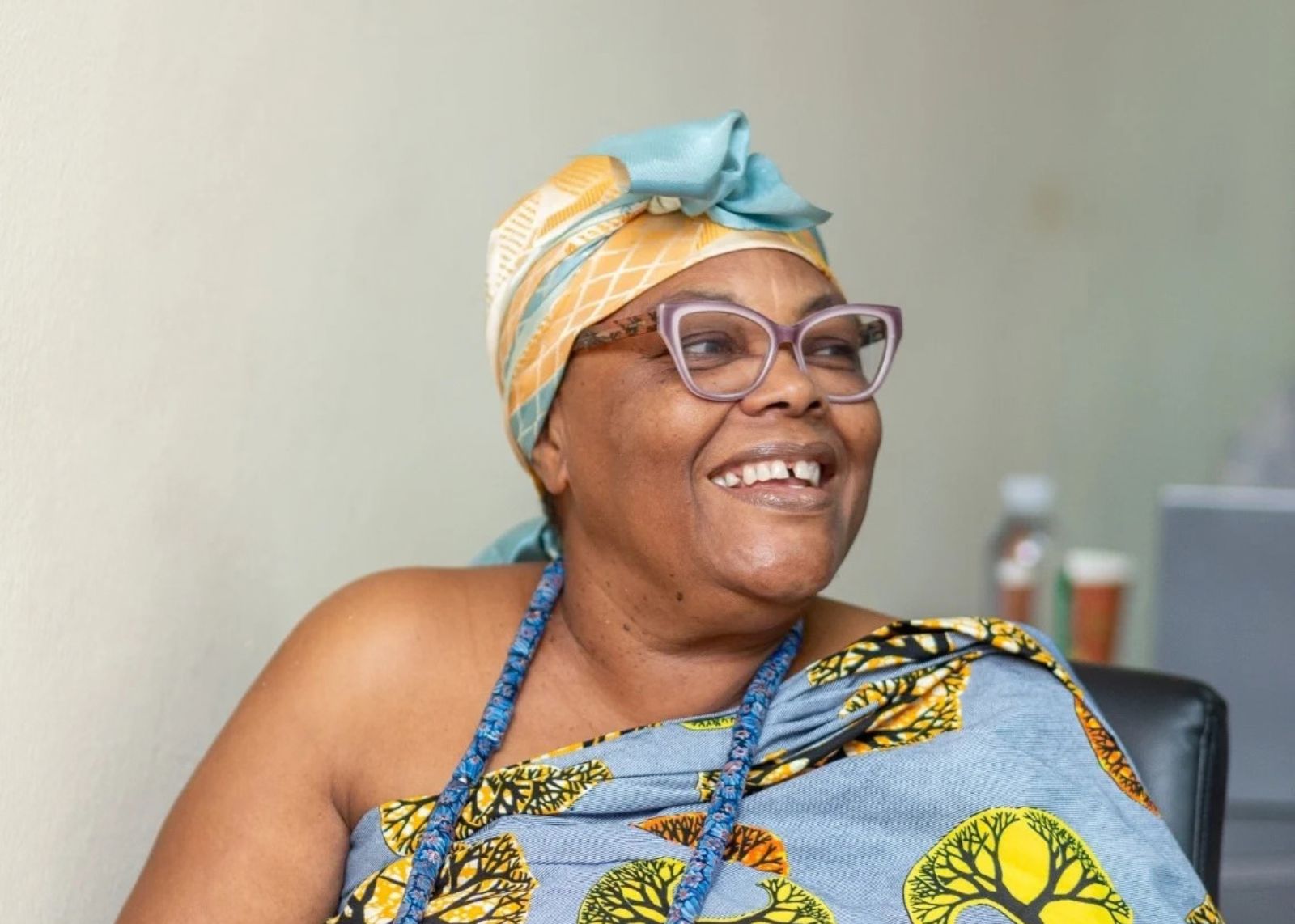
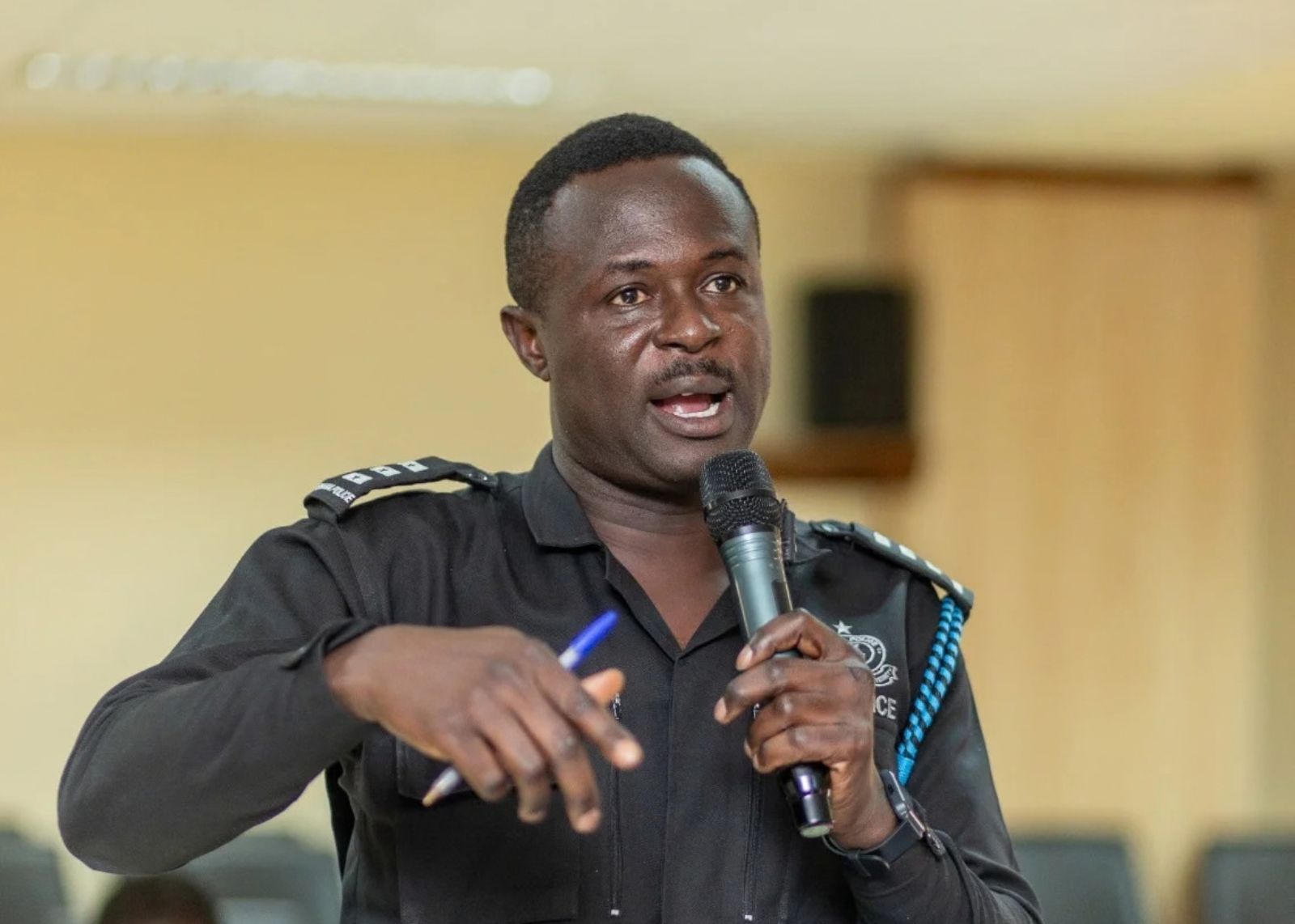
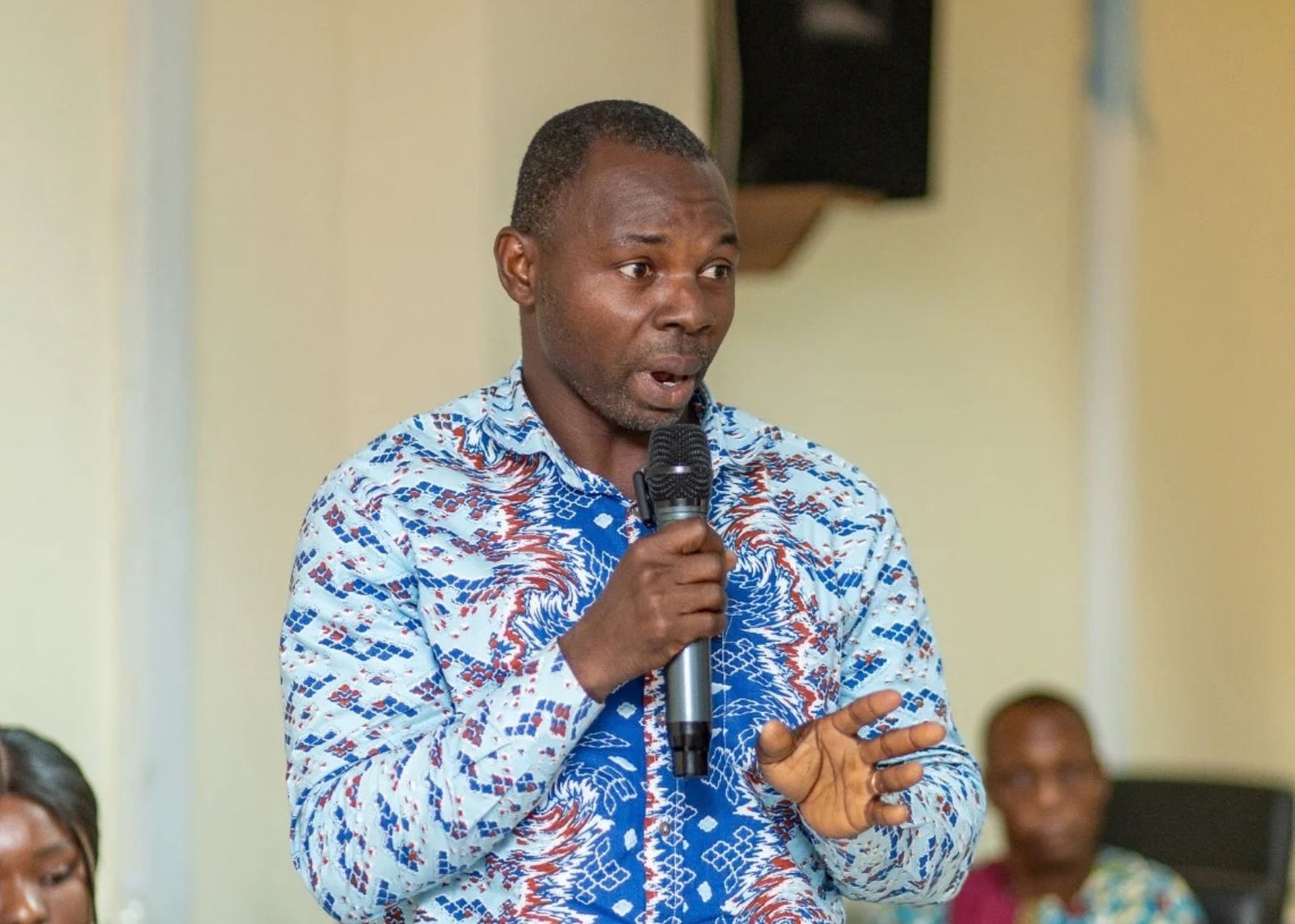
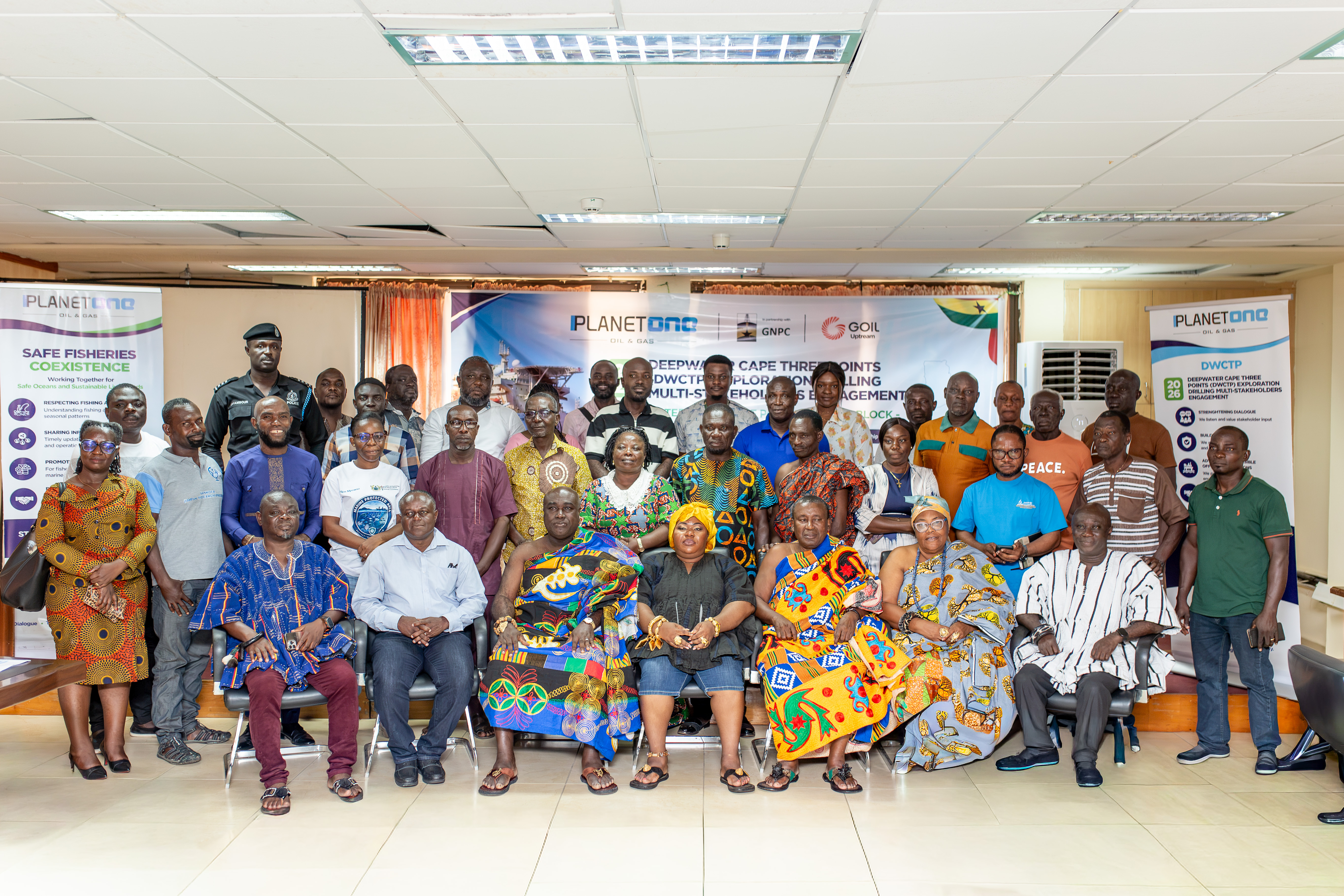
Fifty stakeholders convened at SSNIT House Conference Hall for the DWCTP Stakeholder Partnership and Drilling Readiness Forum, held under the theme Responsible Offshore Operations, Safe Fisheries Coexistence and Sustainable Stakeholder Partnerships. The room brought the coast and the institutions into one conversation — the Western Regional House of Chiefs and four Traditional Councils; the Ghana National Canoe and Fishermen Council, Chief Fishermen, the Canoe Owners Association and the National Association of Fishmongers; the Petroleum Commission, Environmental Protection Agency, Fisheries Commission, Ghana Maritime Authority, Ghana Navy and Marine & Port Police; seven district assemblies, civil society, and our joint venture partners GOIL Upstream and GNPC.
The programme ran on a deliberate sequence — inform, listen, discuss, respond, commit. A dedicated “What We Heard” session played the coastal findings back to the room, and more than an hour was set aside for open stakeholder dialogue and institutional response.
What we committed to
Stakeholders were clear that one forum is not a relationship, and that engagement has to continue through mobilisation and drilling. We are acting on that:
An accessible grievance mechanism — named contacts, published channels, defined response times — in place before operations begin
Fisheries and Community Liaison Officers holding a direct line open between the offshore campaign and the shore
Vessel identification materials so fishermen can recognise our vessels on sight.
Human rights training under the Voluntary Principles on Security and Human Rights for personnel at the security–community interface
Direct protocol engagement with Paramount Chiefs, and a coastal engagement schedule for the length of the campaign
The programme was benchmarked against the Petroleum Commission’s Social Performance Guidelines, IFC Performance Standard 1, the UN Guiding Principles on Business and Human Rights and the Voluntary Principles. Every concern raised, and the action it triggered, is recorded in a formal register submitted to Ghana’s regulators.
Consult early. Write down what we heard. Be held to it.